As conflict intensifies between Israel and Iran, fresh diplomatic efforts are quietly unfolding in the background. According to multiple regional sources, Iran has reached out to Gulf countries including Oman, Qatar, and the United Arab Emirates, requesting them to urge the United States to pressure Israel into accepting a ceasefire.
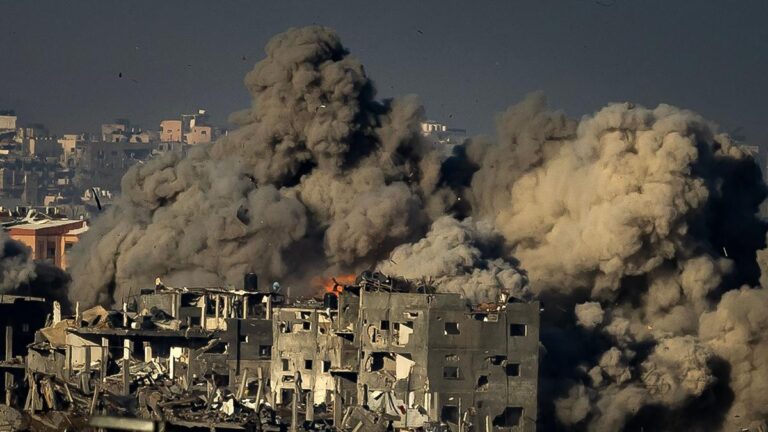
This move comes after Iran launched a significant missile attack on Israeli cities, including Tel Aviv, Haifa, and Jerusalem, which killed at least eight civilians and injured over a hundred. In response, Israel carried out targeted airstrikes deep inside Iranian territory. The situation remains tense, but Iran’s indirect appeal to Washington signals a desire—perhaps even a need—to prevent the conflict from spiraling into a full-scale regional war.
Gulf Countries as Go-Between
Tehran’s request was not made directly to Washington, but instead delivered through Gulf states that maintain communication channels with both Iran and the United States. These states, often serving as neutral grounds for sensitive diplomacy, are now playing a key role in trying to reduce tensions.
A senior Gulf official familiar with the matter stated, “Iran has made it clear that it does not want an all-out war. They’re asking us to convey to the U.S. that continued Israeli strikes could lead to dangerous escalation, which might be avoided through an immediate ceasefire.”
Oman and Qatar, in particular, have historically acted as intermediaries in regional conflicts. Both countries have hosted behind-the-scenes discussions in the past and are once again central to these efforts.
Tehran’s Motivation
Iran’s missile attacks were framed as retaliation for Israeli airstrikes earlier this month that reportedly targeted Iranian military assets and nuclear sites. However, Iran’s latest diplomatic outreach indicates a shift from purely military retaliation to a more strategic and political approach.
There are several reasons for this shift:
- Economic Strain: Iran’s already struggling economy is under renewed pressure from rising oil prices, currency devaluation, and international concern over regional instability.
- Domestic Concerns: With fear spreading among Iranian citizens, especially in urban areas, Tehran faces growing internal pressure to avoid prolonged warfare.
- Military Calculations: Though Iran has demonstrated missile capabilities, Israeli defense systems and counterattacks have proven costly and dangerous. Prolonged engagement could weaken Iran’s strategic standing.
U.S. Cautiously Responds
While the United States has not publicly confirmed any diplomatic contact from Iran, it is believed that the Biden administration is aware of the developments. A U.S. State Department official, speaking anonymously, confirmed that Washington remains in close contact with allies in the Gulf and is “monitoring the situation closely.”
The U.S. has reaffirmed its support for Israel’s right to defend itself but has also expressed concern about the conflict spreading to other parts of the Middle East.
Behind the scenes, Washington appears to be weighing its options. Some officials favor encouraging restraint on both sides to avoid a broader conflict, while others believe Iran must first halt all hostilities and its support for proxy groups before any meaningful dialogue can occur.
Israel’s Firm Stand
Israel, on the other hand, has shown little interest in halting its military operations without strong guarantees. Prime Minister Benjamin Netanyahu has stated that Israel “will not tolerate threats to its sovereignty” and demanded that any truce include conditions to limit Iran’s military reach in the region.
Israeli Defense Minister Yoav Gallant emphasized, “Ceasefire is not a pause button for Iran to reload. We will continue to act to ensure the safety of our citizens.”
Israel’s conditions for considering a ceasefire include the withdrawal of Iranian-backed militias from Syria and Lebanon, cessation of missile attacks, and greater international scrutiny over Iran’s nuclear program.
Global Reactions and Risks
The international community is watching the situation with growing concern. The United Nations has called for immediate de-escalation, while the European Union has offered to mediate between the parties. China and Russia, both with strategic ties to Iran, have urged for dialogue and warned against further U.S. involvement that might deepen divisions.
Meanwhile, energy markets are on edge. Oil prices have risen sharply as traders fear disruption in supply routes, particularly through the Strait of Hormuz — a vital corridor for global oil exports.
The conflict has also sparked protests and political debate across the globe, particularly in countries with large Iranian and Israeli diaspora communities.