In the early hours of June 16, 2025, the Israel-Iran conflict took a deadly and dramatic turn as Iran launched a barrage of ballistic missiles at several major Israeli cities. The unprecedented overnight attack — targeting Tel Aviv, Haifa, Bat Yam, and Jerusalem — killed at least eight civilians and injured more than one hundred. The strike marks one of the most severe escalations in the ongoing hostilities and raises fears that the conflict is spiraling into an all-out regional war.
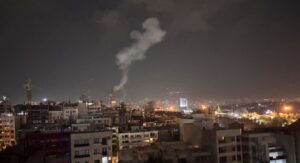
The Attack: Precision and Chaos
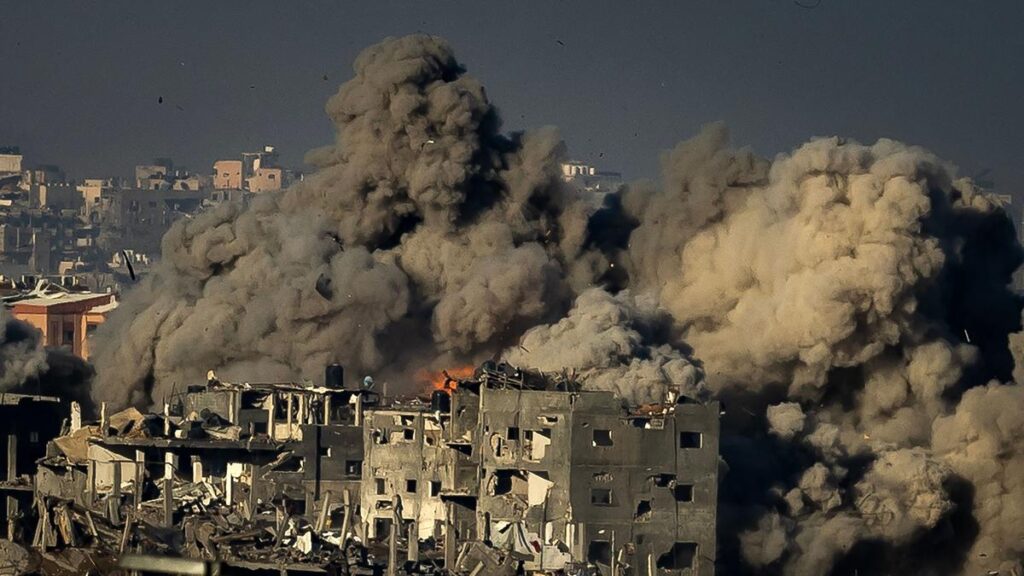
Iran’s missile barrage was highly coordinated and launched from multiple platforms across its territory. Dozens of ballistic missiles and drones were fired in waves, many of which were aimed at critical infrastructure and population centers. While Israel’s advanced Iron Dome and Arrow defense systems intercepted a majority of the incoming projectiles, several managed to penetrate the defense layers and strike residential areas.
In Bat Yam, a missile landed in the middle of a crowded apartment block, killing three and wounding dozens. In Tel Aviv, a major hospital sustained minor damage, leading to the temporary evacuation of critical patients. Jerusalem, long a focal point of regional tension, saw explosions in its eastern districts, though no casualties were reported there.
According to Israel’s Ministry of Defense, over 90 missiles were launched in the span of three hours, with Iran’s Islamic Revolutionary Guard Corps (IRGC) claiming responsibility for the assault. The IRGC labeled it “Operation True Promise III,” a continuation of their declared campaign to retaliate against what they term “Zionist aggression.”
Casualties and Civilian Impact
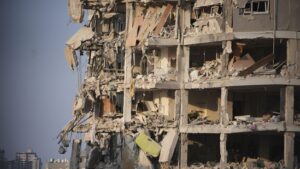
The human toll has been devastating. Emergency services worked around the clock to rescue those trapped under debris, treat the wounded, and provide psychological support to traumatized families. Public bomb shelters, long maintained in readiness, were overwhelmed in many neighborhoods. Schools, offices, and transportation systems across central Israel were shut down in the wake of the strikes.
Children and elderly citizens were among the dead and injured. Israel’s Health Ministry reported that more than half of those hospitalized were suffering from blast injuries, burns, or psychological trauma. The sheer scale of the attack has reignited debate within Israeli society about homeland preparedness and the growing sophistication of Iran’s missile technology.
Israel’s Response and Military Readiness
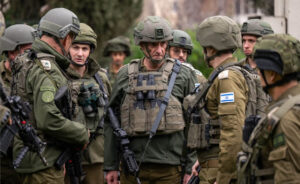
In retaliation, Israel’s Defense Forces (IDF) launched a series of airstrikes against Iranian military installations in western and central Iran, targeting launch sites, missile depots, and command centers. Defense Minister Yoav Gallant vowed that Israel would “not allow such acts of terror to go unpunished” and hinted at further strategic operations against Iran’s nuclear infrastructure.
Prime Minister Benjamin Netanyahu convened an emergency security cabinet meeting, after which he declared that Israel was now in “an open state of war” with Iran. The IDF has been placed on high alert, and reservists across the country have been called up. Military analysts warn that the situation is likely to escalate before any form of de-escalation can be seriously considered.
International Reaction
The global response has been swift and divided. The United States condemned Iran’s attack and reaffirmed its support for Israel. President Biden authorized the deployment of additional military assets to the Eastern Mediterranean and urged Iran to cease hostilities immediately.
The United Nations convened an emergency Security Council meeting, though a resolution condemning the missile strikes was blocked by vetoes from Russia and China. European Union leaders issued a joint statement urging restraint and offered to mediate peace talks. Meanwhile, several Arab countries, including Saudi Arabia and the UAE, have expressed grave concern over Iran’s actions, viewing the escalation as a threat to regional stability.
Wider Regional Ramifications
The conflict has already drawn in proxy actors. Hezbollah, Iran’s Lebanese ally, has increased rocket fire across Israel’s northern border, while Houthi forces in Yemen have threatened to block the Bab-el-Mandeb Strait, a vital route for global oil shipments. Iraq, currently hosting both Iranian-backed militias and U.S. forces, faces the risk of becoming an unintended battleground.
Oil prices surged by nearly 10% within hours of the attack, and financial markets across Asia and Europe opened lower amid fears of prolonged instability. The specter of a regional war involving multiple nations looms large, with major global implications.
The Risk of Nuclear Escalation
Perhaps the most alarming concern is the potential for a nuclear dimension to the conflict. Israel has long warned that Iran is approaching nuclear weapon capability. Recent Israeli airstrikes reportedly targeted uranium enrichment facilities near Natanz and Arak. Iran, in turn, has threatened to resume high-level enrichment in retaliation and has refused further IAEA inspections.
While both nations have signaled their desire to avoid total war, the fog of conflict and the scale of retaliation have made it increasingly difficult to step back from the brink. The possibility of a preemptive strike on Iran’s nuclear facilities — or a miscalculated military exchange — could set off catastrophic consequences for the entire region.