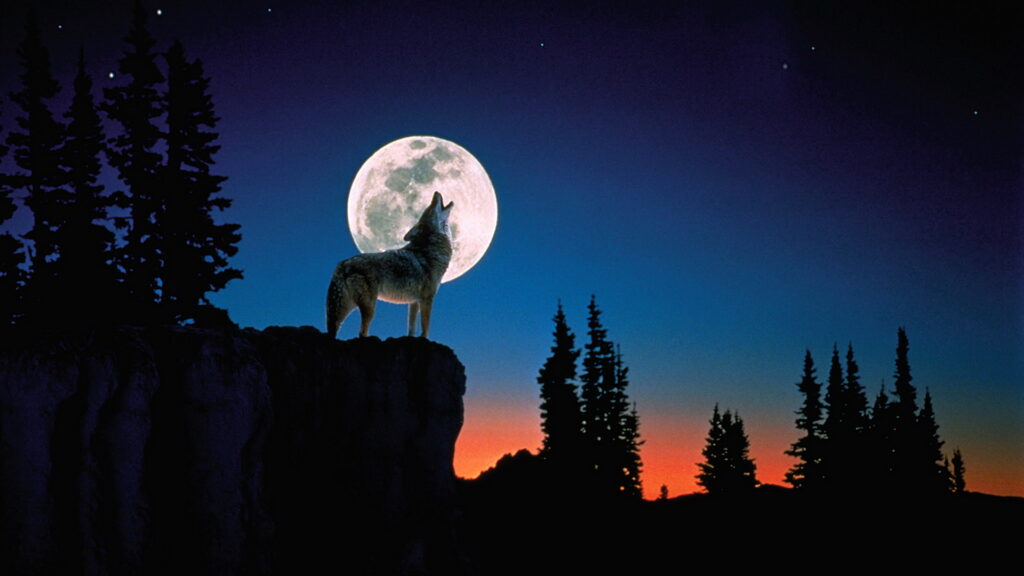
Each year, June welcomes one of the most anticipated full moons of the lunar calendar—the Strawberry Moon. In 2025, this full moon is set to appear on the night of June 21, just one day after the summer solstice, marking a seasonal transition and offering sky watchers a beautiful, golden-hued lunar display.
Despite its name, the Strawberry Moon has no direct link to color or fruit in the sky. The term comes from Native American traditions, particularly the Algonquin tribes of North America, who used the full moon in June as a signal to begin harvesting wild strawberries and other early summer fruits. Over time, this poetic name was passed down through generations and is now widely used around the world.
What Is a Strawberry Moon?
The Strawberry Moon refers to the full moon that occurs in June. In 2025, the moon will reach full phase at around 9:08 p.m. Eastern Daylight Time. While it will look similar to any other full moon, certain atmospheric and seasonal factors may make it appear slightly more golden or orange when it first rises. This is due to the moon’s position in the sky and the way light travels through Earth’s atmosphere at low angles.
This year’s full moon also happens to be a micromoon, meaning it occurs when the moon is at its farthest point from Earth in its orbit. As a result, it may look a little smaller than usual—but to the unaided eye, the difference is almost imperceptible.
Historical and Cultural Significance
Throughout history, cultures around the world have given names to each full moon of the year, often tied to agriculture, seasonal events, or spiritual beliefs. The name “Strawberry Moon” was used by Native American groups in the northeastern United States to mark the beginning of the strawberry picking season, which typically lasts only a few weeks.
In Europe, this moon has also been called the Honey Moon or the Rose Moon. In the past, June was a popular month for weddings, and the tradition of a “honeymoon” may be linked to the full moon and the mead (a fermented honey drink) traditionally consumed during that time.
In spiritual and metaphysical circles, the Strawberry Moon is often considered a time for renewal, gratitude, and emotional balance. People who follow lunar rituals may use this full moon to reflect on their goals, write down intentions, or spend quiet time in nature.
Best Viewing Tips
The Strawberry Moon will be visible across most of the globe, including North America, South America, Europe, Asia, and parts of Africa, depending on local weather conditions. To get the best view:
- Find an open area with a clear view of the eastern horizon. The moon will rise shortly after sunset.
- If you live in a city or urban area, try to get away from bright lights, which can make it harder to see the moon clearly.
- No telescope is necessary, though binoculars or a small scope can enhance your view.
- For photographers, capturing the moonrise near the horizon can result in dramatic images, especially when paired with landscapes, buildings, or trees.
The moon will appear largest and most colorful during moonrise, as it’s low in the sky and filtered through more atmosphere. As it climbs higher, it will become whiter and brighter.
The Science Behind the Glow
The “Strawberry” color is not literal. When the moon is low on the horizon, it may appear orange or amber due to Rayleigh scattering—the same effect that makes sunrises and sunsets red or pink. Light must travel through more of the Earth’s atmosphere at this angle, filtering out the shorter blue wavelengths and allowing the longer red ones to dominate.
While this full moon is not particularly rare, its timing with the solstice adds an extra layer of interest. The summer solstice marks the longest day of the year in the Northern Hemisphere, and the close pairing of the solstice with a full moon only happens once every 19 to 20 years.
A Moment of Connection
The Strawberry Moon is more than just a celestial event—it’s a moment of global connection. As people across continents look up at the same glowing moon, there is a shared sense of wonder and reflection. In an increasingly digital and fast-paced world, watching the full moon rise can be a simple but profound reminder of nature’s rhythm and beauty.
For many, this moon represents a seasonal turning point. The days are long, the air is warm, and nature is in full bloom. Whether you’re gathering with friends, going for a quiet evening walk, or simply looking out your window, the Strawberry Moon offers a moment to pause and appreciate the present.
The Strawberry Moon of June 2025 is set to be a beautiful and meaningful lunar event, whether you’re a dedicated skywatcher or just someone looking to enjoy a peaceful evening under the stars. With its blend of tradition, natural beauty, and cultural lore, this moon continues to enchant and inspire people around the world.
So mark your calendar for June 21, and don’t miss the chance to witness this gentle giant of the night sky. Sometimes, the simplest moments—like watching a full moon rise—can be the most memorable.