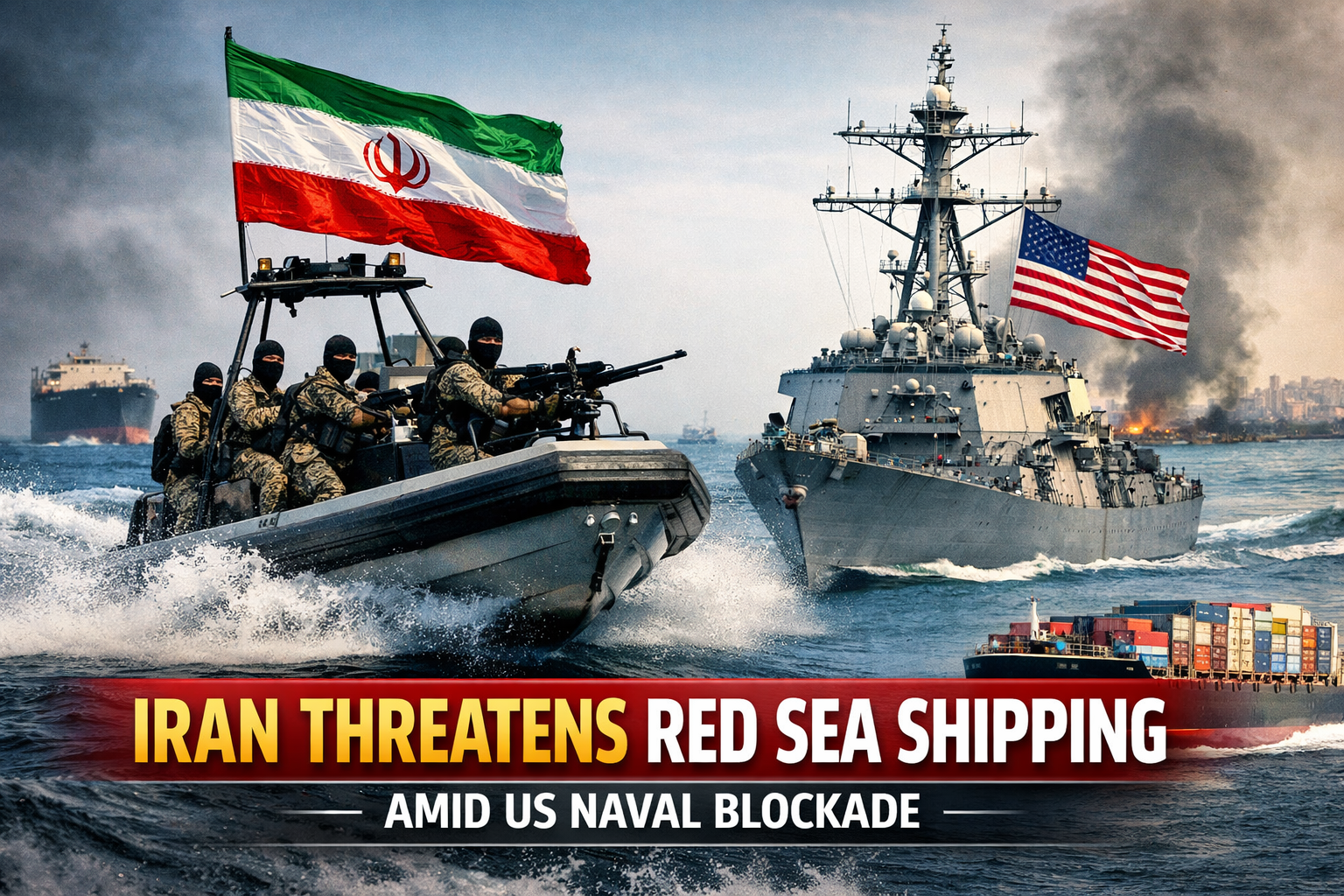
News Desk: Tensions in the Middle East have entered a dangerous new phase as Iran has issued a direct warning that it could target international shipping routes, including the Red Sea, if the United States continues its naval blockade. The warning comes amid rising hostilities between the two countries, with global markets and policymakers closely monitoring the situation due to its potential impact on international trade and energy supplies.
The Red Sea and nearby maritime corridors are among the most critical shipping routes in the world, connecting Europe, Asia, and Africa. Any disruption in these waters could have far-reaching economic consequences, making the current standoff a major global concern.
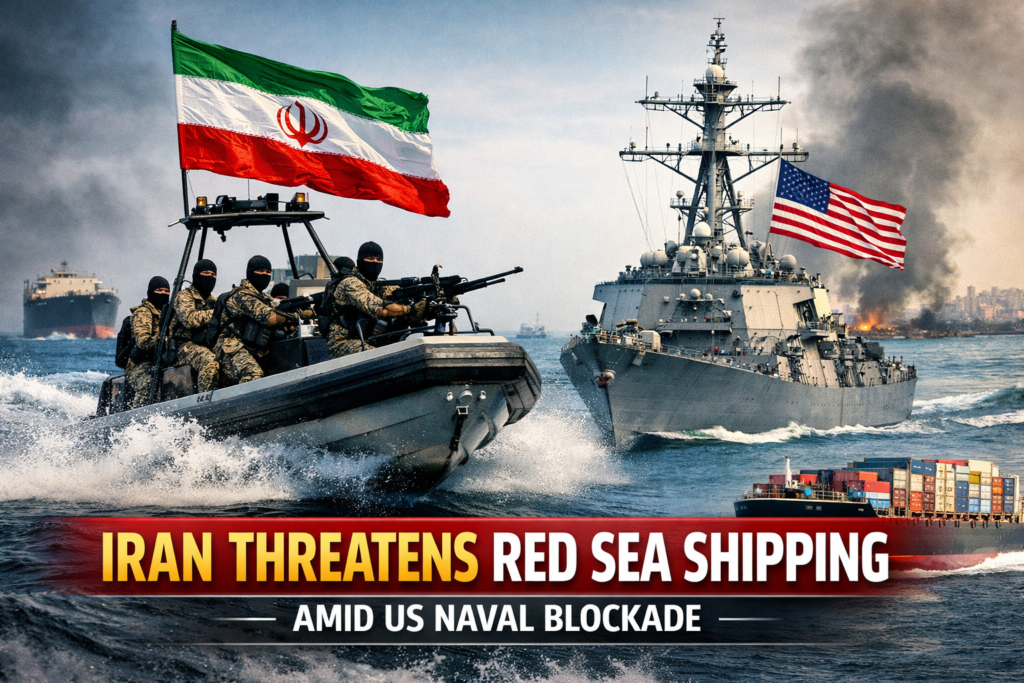
Iran’s Strong Warning Signals Escalation
Iran’s military leadership has taken a firm stance against the US blockade, describing it as an act of economic aggression. Officials have warned that if Iranian oil exports continue to be restricted, Tehran will consider expanding its response beyond the Strait of Hormuz.
Military spokespersons indicated that Iran has the capability to disrupt key shipping routes, including not only the Persian Gulf and the Sea of Oman but also extending operations toward the Red Sea. Such a move would significantly widen the scope of the conflict and increase risks for international vessels operating in the region.
Iran’s leadership has also emphasized that it will not remain passive if its economic lifelines are threatened. The country heavily relies on oil exports, and any prolonged blockade could have serious domestic economic implications, further increasing the likelihood of retaliatory actions.
US Naval Blockade Intensifies Pressure
The United States has deployed a large-scale naval presence in the region, aiming to enforce restrictions on Iran’s maritime trade. The blockade includes warships, surveillance aircraft, and advanced monitoring systems designed to track and control vessel movement in strategic waters.
According to US officials, the primary objective of the blockade is to limit Iran’s ability to export oil and generate revenue. Washington has argued that these measures are necessary to pressure Iran into complying with international demands related to its regional activities and security concerns.
Reports suggest that several ships attempting to reach Iranian ports have already been turned back. The US military has maintained that the blockade is effective and under control, although independent tracking sources have presented mixed findings regarding its overall success.
Strategic Importance of Key Maritime Routes
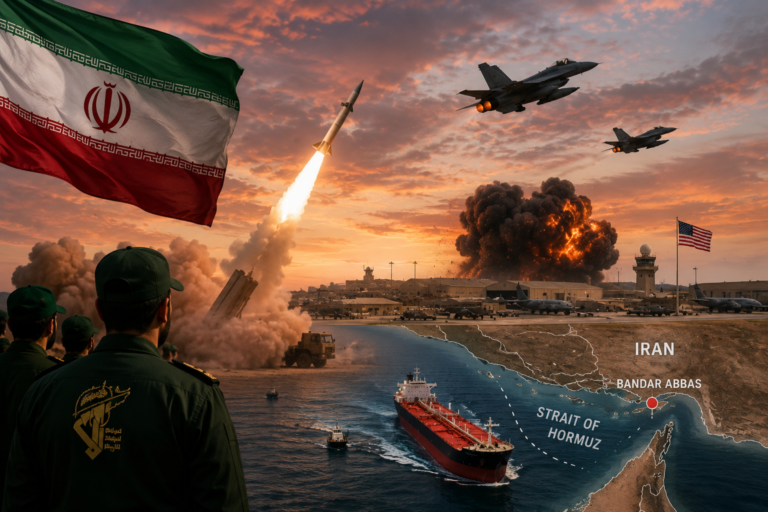
The Strait of Hormuz remains one of the most vital chokepoints in global energy supply, with a significant portion of the world’s oil passing through it daily. However, the potential expansion of tensions into the Red Sea raises even greater concerns.
The Red Sea serves as a major artery for global trade, particularly through the Suez Canal, which handles a large volume of cargo moving between Asia and Europe. Any disruption in this region could lead to delays, increased shipping costs, and a ripple effect across global supply chains.
Experts warn that targeting Red Sea shipping would not only affect oil transport but also a wide range of goods, including food, electronics, and industrial materials. This could lead to inflationary pressures in multiple economies already dealing with financial uncertainties.
Conflicting Reports Raise Questions
There are conflicting reports regarding the effectiveness of the US blockade. While American officials claim that the operation is successfully restricting maritime access to Iran, some independent maritime tracking data suggests that certain vessels may still be navigating through restricted zones.
This discrepancy highlights the complexity of enforcing a naval blockade in one of the busiest maritime regions in the world. Thousands of ships pass through these waters daily, making it challenging to monitor and control every movement without escalating tensions further.
Additionally, the presence of multiple international naval forces in the region adds another layer of complexity, as different countries have varying interests and levels of involvement in the ongoing situation.
Global Economic Impact and Market Reactions
The escalating tensions have already begun to affect global markets. Oil prices have shown increased volatility as traders react to the possibility of supply disruptions. Even the perception of risk in critical shipping routes can lead to price fluctuations and uncertainty.
Shipping companies are also reassessing their routes and security measures. Some firms are considering alternative paths to avoid high-risk areas, which could increase transit times and operational costs. Insurance premiums for vessels operating in the region are also expected to rise.
Economists warn that a prolonged conflict could have significant consequences for global trade. Higher shipping costs, combined with potential delays, could contribute to rising prices for goods worldwide, adding pressure to economies already dealing with inflation.
Risk of Wider Regional Conflict
The situation carries the risk of escalating into a broader regional conflict. Any direct confrontation between Iranian and US forces could draw in other countries, particularly those with strategic interests in the Middle East.
Neighboring nations and global powers are closely monitoring developments, with some calling for diplomatic efforts to de-escalate tensions. However, the current trajectory suggests that both sides are unwilling to back down, increasing the risk of further confrontation.
The involvement of non-state actors and allied groups in the region could also complicate the situation, potentially leading to indirect conflicts that further destabilize the area.
Diplomatic Efforts and Uncertain Future
Despite the rising tensions, there are ongoing calls for diplomatic dialogue to prevent the situation from spiraling out of control. International organizations and several countries have urged both Iran and the United States to engage in negotiations and avoid actions that could escalate the conflict.
However, achieving a resolution may prove difficult given the deep-rooted differences between the two nations. Issues related to security, economic sanctions, and regional influence remain significant obstacles to meaningful dialogue.
Conclusion
Iran’s threat to target Red Sea shipping marks a critical turning point in the ongoing standoff with the United States. The potential expansion of the conflict beyond the Strait of Hormuz could have severe implications for global trade, energy security, and regional stability.
As tensions continue to rise, the international community faces increasing pressure to find a diplomatic solution. The coming weeks will be crucial in determining whether the situation moves toward de-escalation or further conflict, with the world watching closely due to the high stakes involved.
About the Author