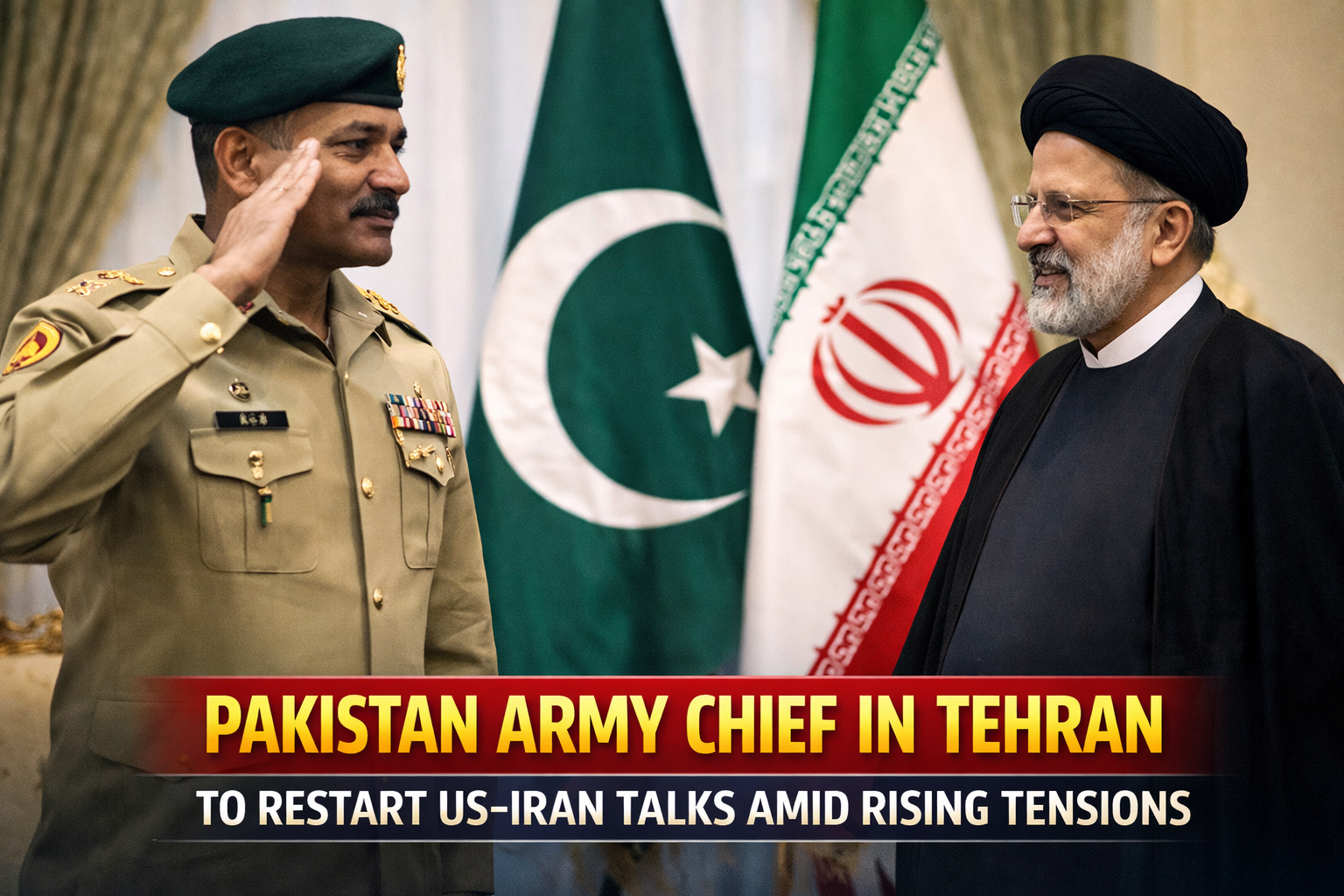
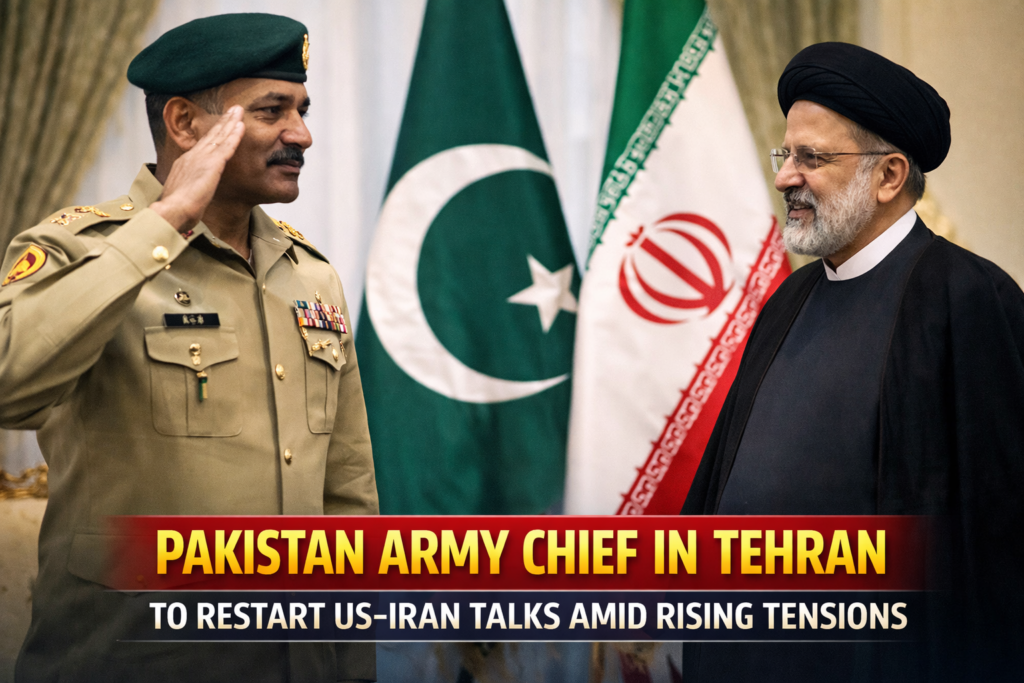
News Desk: Amid escalating tensions in the Middle East, the visit of Pakistan’s Army Chief Asim Munir to Tehran is being seen as a significant diplomatic move. The primary objective of this visit is to revive stalled negotiations between the United States and Iran.
In recent days, growing military tensions and economic sanctions have created instability in the region. In this context, Pakistan has stepped forward as a mediator, attempting to bring both nations back to the negotiating table.
High-Level Talks in Tehran
The Pakistani Army Chief arrived in Tehran along with a high-level delegation, where meetings are being held with senior Iranian military and government officials.
According to sources, discussions are focused on regional security, maintaining the ceasefire, and shaping future diplomatic strategies. This visit comes at a time when efforts to reduce tensions between the two sides have intensified.
Pakistan’s Role as a Mediator
Pakistan has emerged as a key mediator in the ongoing crisis. Earlier, preliminary talks between the United States and Iran were hosted in Islamabad. Although those discussions did not lead to a final agreement, they successfully reopened communication channels.
The international community has welcomed Pakistan’s efforts. Several countries and global organizations believe that renewed dialogue could play a crucial role in restoring regional stability.
Efforts to Restart Negotiations
The main goal of the Tehran visit is to restart negotiations between the United States and Iran. The current ceasefire is temporary, and there are concerns about its expiration.
Reports suggest that both sides are considering holding another round of talks in Pakistan. However, major disagreements still persist.
The most significant issue remains Iran’s nuclear program. The United States has demanded a long-term halt to uranium enrichment, while Iran has shown willingness only for a temporary suspension.
Backdrop of Military and Economic Pressure
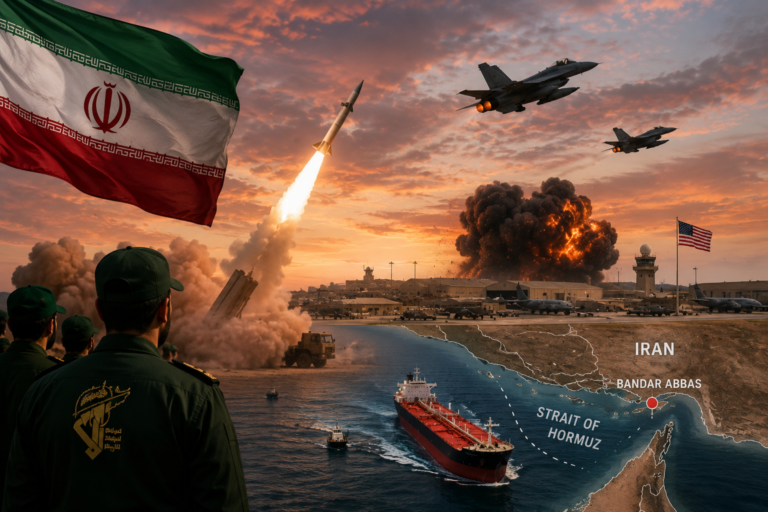
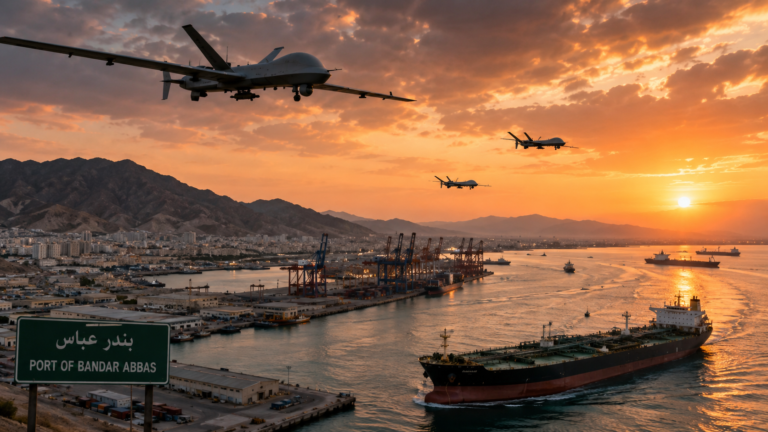
These diplomatic efforts are taking place amid continued military and economic pressure. The United States has imposed maritime restrictions that have affected Iran’s oil exports and trade activities.
Iran has strongly criticized these measures, calling them aggressive actions. It has also warned that continued pressure could lead to disruptions in regional shipping routes.
This situation has not only heightened tensions between the two nations but also increased the urgency for a diplomatic resolution.
Ceasefire Under Threat
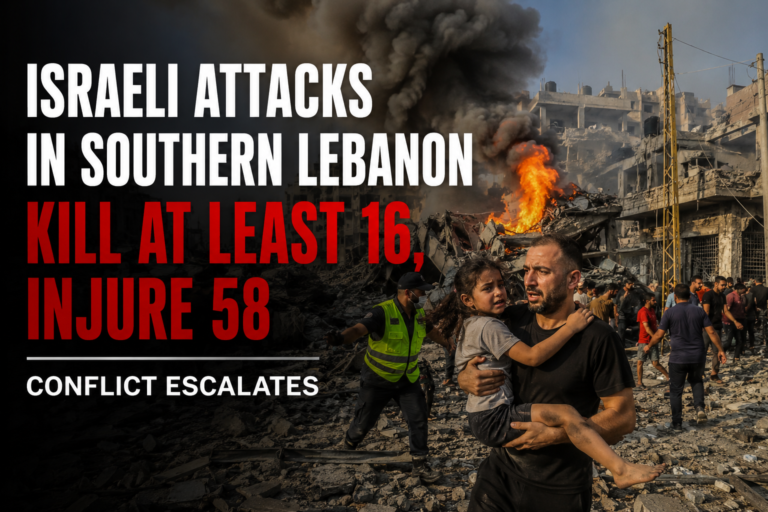
Although a ceasefire is currently in place, it remains fragile and uncertain. Experts warn that without immediate progress in negotiations, the situation could deteriorate quickly.
The conflict has already lasted several weeks, causing significant damage and instability. A successful diplomatic outcome is therefore considered essential.
Global Impact
The implications of this crisis extend far beyond the Middle East.
The region is one of the world’s most important oil-producing areas. Any instability directly impacts global oil prices and, consequently, the global economy.
Additionally, key maritime routes such as the Strait of Hormuz and the Red Sea are critical for international trade. Any disruption in these routes could significantly affect global supply chains.
Hope and Challenges
Despite the challenges, there are signs of cautious optimism. Both sides have expressed willingness to continue dialogue, which is seen as a positive development.
However, several major obstacles remain. The longstanding mistrust between the United States and Iran continues to be a major barrier. Domestic political pressures in both countries may also limit their flexibility in negotiations.
Conclusion
The visit of Pakistan’s Army Chief to Tehran represents an important diplomatic initiative at a critical time. It could play a key role in reviving dialogue between the United States and Iran.
The coming days will determine whether these efforts lead to meaningful progress or further deadlock. If successful, renewed talks could mark a significant step toward peace and stability in the region.
For now, the world watches closely as diplomacy attempts to prevent further escalation.
About the Author