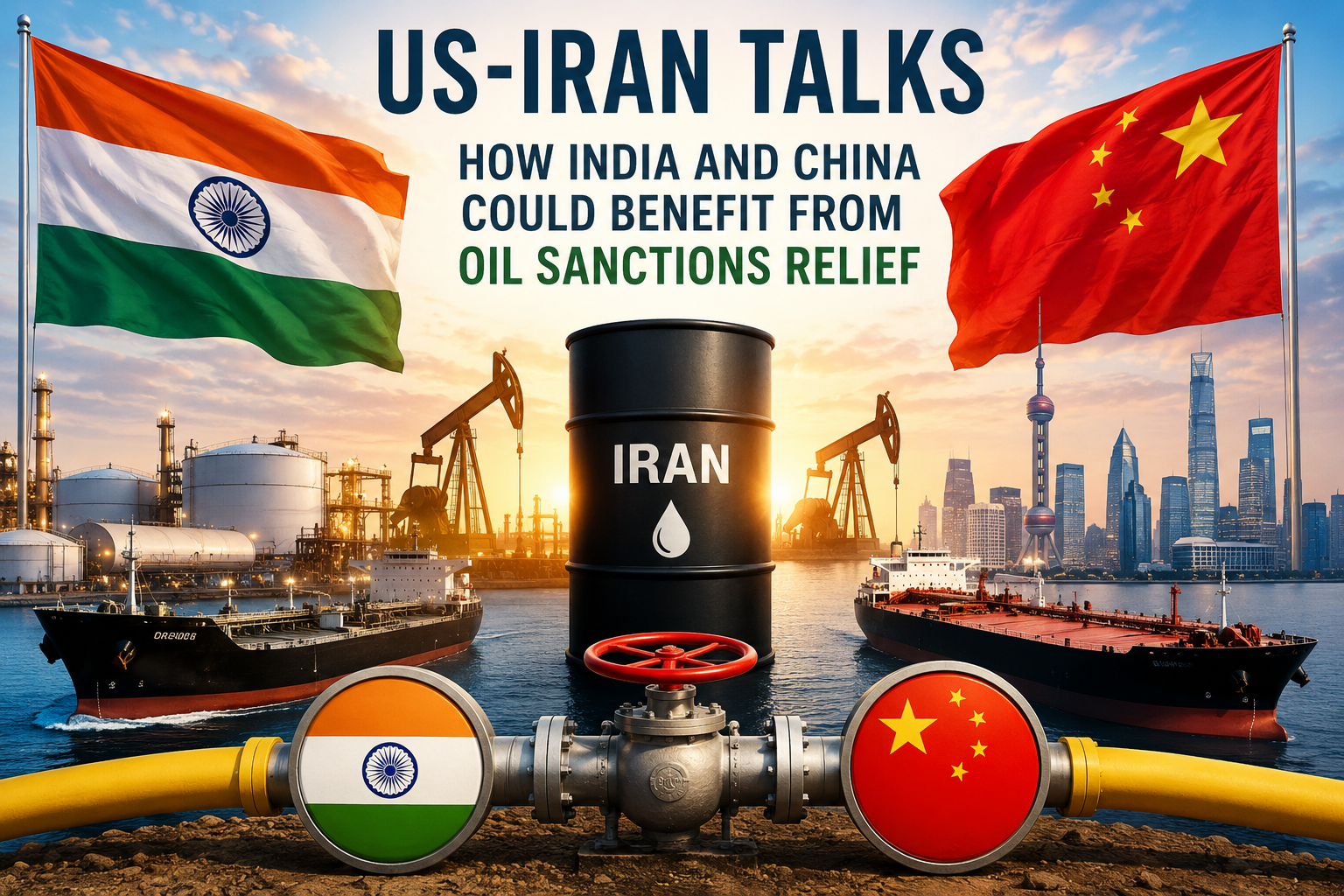
Renewed diplomatic talks between the United States and Iran are raising expectations that sanctions on Iranian oil exports could soon be eased. If that happens, major Asian economies like India and China may emerge as some of the biggest beneficiaries.
Both countries are among the world’s largest importers of crude oil, and access to Iranian oil could help them lower energy costs, stabilize inflation, and strengthen economic growth.
Why the US-Iran Talks Matter
For years, Iran’s oil exports have faced heavy restrictions due to US sanctions linked to Tehran’s nuclear program. These sanctions significantly reduced Iran’s ability to sell oil in international markets.
Now, with negotiations showing signs of progress, global investors are watching closely. A successful agreement could allow Iran to increase oil exports once again, adding millions of barrels of crude oil to the global market.
This increase in supply could lower international oil prices, benefiting countries that rely heavily on imported energy.
India Could Gain from Lower Oil Prices
India imports more than 80 percent of its crude oil needs from abroad. Because of this, rising oil prices often create inflation, increase transportation costs, and put pressure on the Indian economy.
If sanctions on Iranian oil are eased, India could benefit in several ways:
Cheaper Crude Oil Imports
Iran has historically offered oil at competitive prices to Asian buyers. Indian refiners may once again gain access to affordable Iranian crude, helping reduce overall import costs.
Reduced Inflation
Lower fuel prices can help control inflation by reducing transportation and manufacturing expenses. This may also lower the cost of essential goods for consumers.
Stronger Economic Growth
When energy costs decline, industries such as transportation, aviation, chemicals, and manufacturing often perform better. This could support India’s economic expansion.
Improved Energy Security
Access to Iranian oil would allow India to diversify its energy imports rather than relying too heavily on a few suppliers.
China Could Also Benefit Significantly
China is already one of the world’s largest energy consumers and has maintained economic ties with Iran despite sanctions.
An easing of restrictions could strengthen China’s position in several ways.
Stable Energy Supply
China needs enormous amounts of oil to support its industries and growing economy. Iranian crude could provide a stable and reliable source of supply.
Lower Manufacturing Costs
Cheaper energy would help Chinese factories reduce production costs, improving competitiveness in global markets.
Greater Regional Influence
China has invested heavily in Middle Eastern infrastructure and trade projects. Improved relations between Iran and the West could create new investment opportunities for Beijing.
Safer Trade Routes
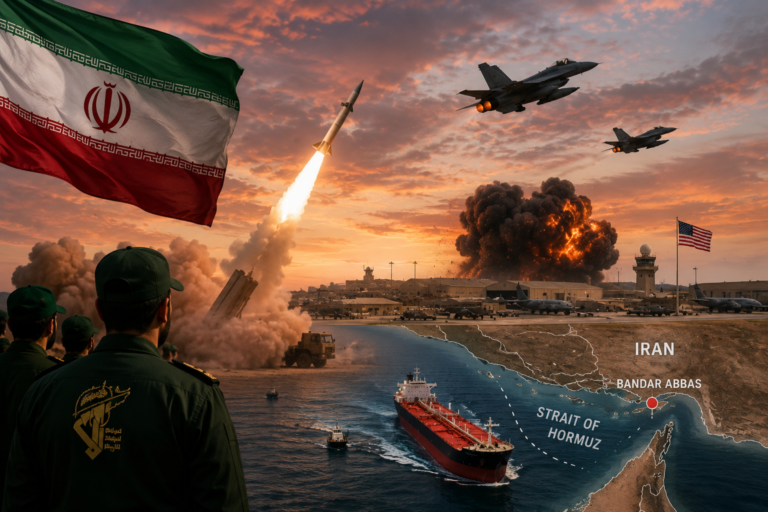
Tensions in the Middle East often threaten shipping routes such as the Strait of Hormuz, through which a large share of the world’s oil passes. Reduced tensions could improve shipping security and reduce transportation risks.
Impact on Global Oil Markets
If Iranian oil returns fully to global markets, oil supply could increase sharply. This may lead to:
- Lower global crude oil prices
- Reduced fuel costs worldwide
- Improved investor confidence
- Lower shipping and insurance costs
- Greater market stability
Energy-importing nations across Asia and Europe could also benefit from reduced oil price volatility.
Challenges Still Remain
Despite growing optimism, negotiations between the US and Iran are still complex. Important disagreements remain over sanctions relief, nuclear inspections, and regional security issues.
Any final agreement may take time, and sudden political tensions could still disrupt the talks.
However, even the possibility of a deal has already influenced global markets and raised hopes among oil-importing countries.
Conclusion
The ongoing US-Iran talks could have major economic consequences far beyond the Middle East. For India and China, easier access to Iranian oil may help lower energy costs, strengthen economic growth, and improve long-term energy security.
While uncertainty remains, both Asian powers are closely watching the negotiations, knowing that a successful agreement could provide significant economic and strategic advantages in the years ahead.
About the Author