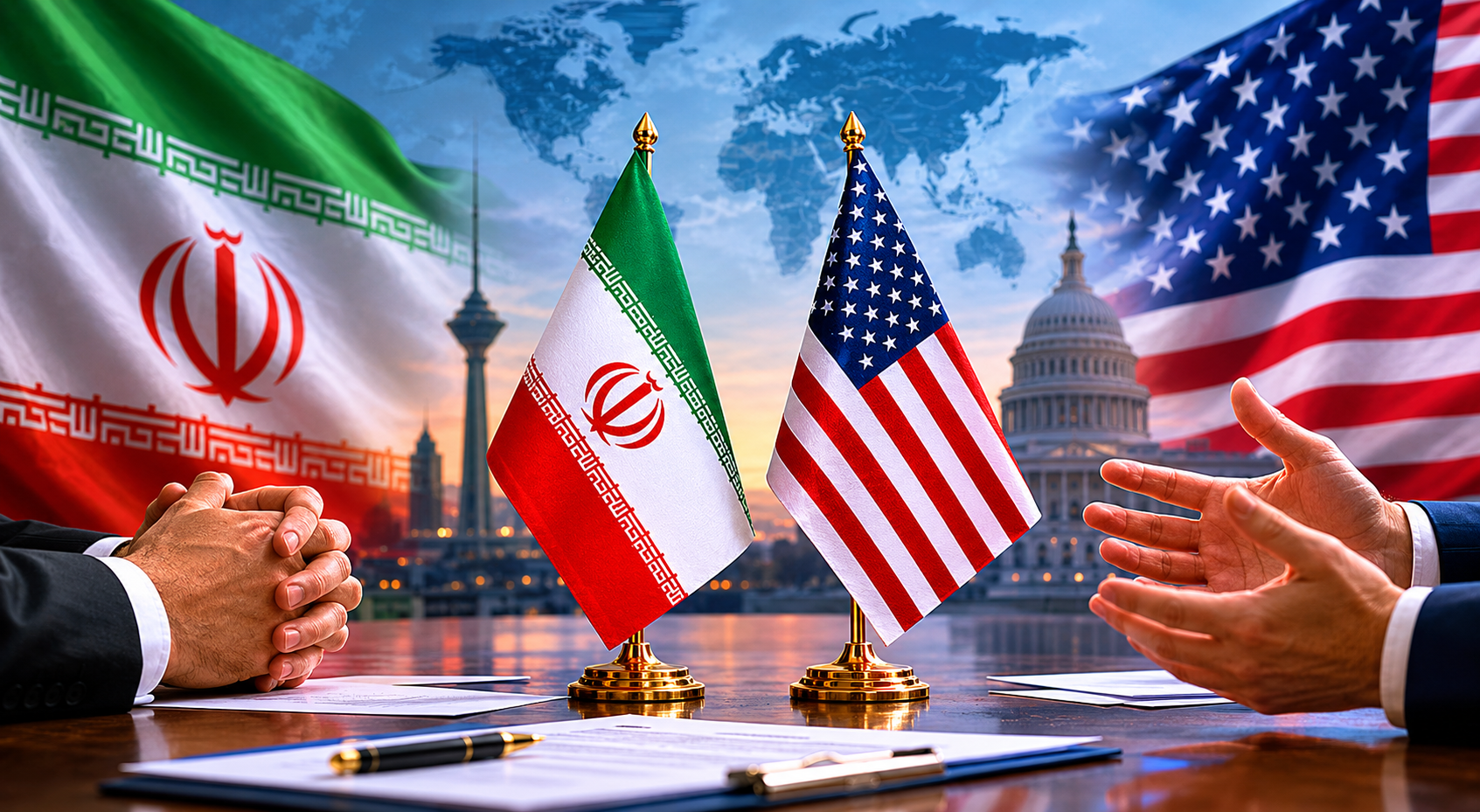
Negotiations between Iran and the United States appear to be moving forward, but officials from Tehran have warned that a final agreement is still far from guaranteed. The latest comments from Iranian authorities suggest that although important progress has been made during discussions, several key issues remain unresolved.
The statement came after US Secretary of State Marco Rubio indicated that an agreement could possibly be reached soon. His remarks increased speculation that diplomatic efforts between the two countries were entering a decisive phase. However, Iran quickly responded with a more cautious tone.
Iranian Foreign Ministry spokesman Esmail Baqai acknowledged that negotiators had reached conclusions on many of the major topics being discussed. At the same time, he stressed that no one should assume a deal is about to be signed.
According to Baqai, progress in negotiations does not automatically mean that all differences have been resolved. He explained that several sensitive political and technical matters still require further discussion before any formal agreement can be announced.
The ongoing talks are part of broader diplomatic efforts aimed at reducing tensions surrounding Iran’s nuclear program. Relations between Tehran and Washington have remained tense since the United States withdrew from the 2015 nuclear agreement during the administration of Donald Trump. Following that decision, economic sanctions on Iran were restored, leading to a sharp decline in relations between the two countries.
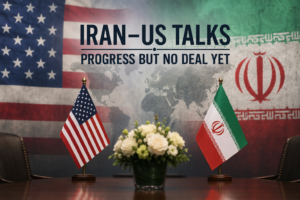
Since then, multiple rounds of indirect negotiations have taken place with the goal of reviving or replacing the earlier framework. The central issues in the talks include sanctions relief for Iran, limits on uranium enrichment, international inspections, and guarantees regarding future compliance from both sides.
Iran has repeatedly argued that sanctions have severely damaged its economy and affected ordinary citizens. Iranian officials continue to demand meaningful economic relief before accepting additional restrictions on their nuclear activities. On the other hand, American officials insist that any agreement must include strict monitoring measures to prevent the development of nuclear weapons.
The latest exchange of statements highlights the complex nature of the negotiations. While public comments from both sides show some optimism, they also reveal significant caution. Diplomatic experts believe that both governments are attempting to manage expectations while continuing behind-the-scenes discussions.
A successful agreement could have major global consequences. Improved relations between Iran and the United States could reduce tensions across the Middle East and potentially stabilize international energy markets. Oil prices, regional security, and global trade routes are all closely linked to developments involving Iran.
At the same time, failure to reach an agreement could deepen existing tensions. Increased sanctions, military pressure, or further nuclear expansion by Iran could raise concerns among neighboring countries and the international community.
Political challenges inside both nations also continue to complicate the situation. Leaders in Washington and Tehran face pressure from domestic groups that oppose compromise with the other side. Any final deal would likely face intense political debate before implementation.
For now, negotiators appear focused on continuing discussions rather than announcing immediate breakthroughs. Iran’s latest comments suggest that progress is real, but expectations of a rapid agreement may still be premature.
As diplomatic efforts continue, the international community will closely monitor whether the current momentum can eventually lead to a lasting understanding between the two longtime rivals.
About the Author